Finding Reliable Gutter Installation Hackettstown Experts Near You

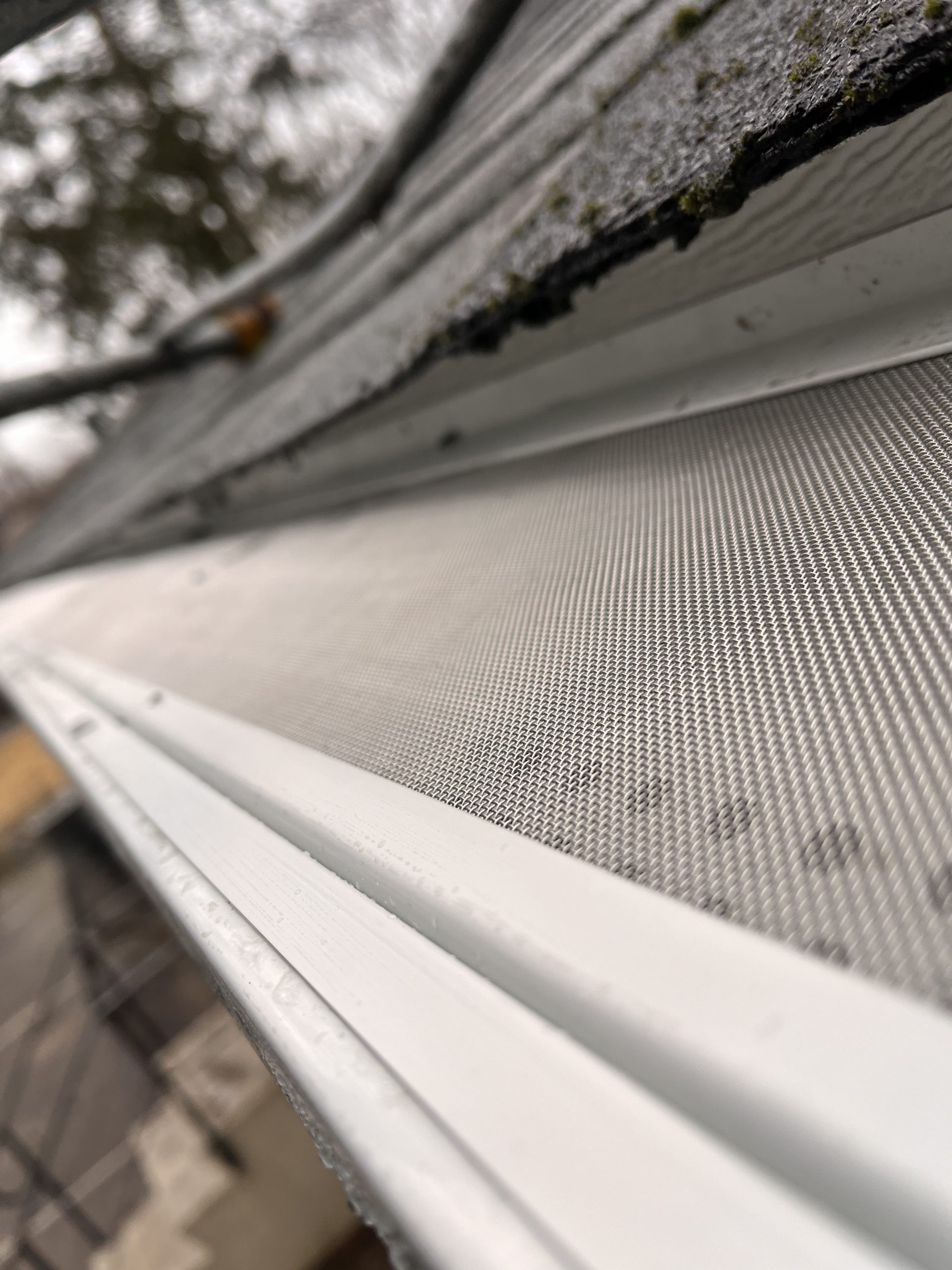
A gutter system is easy to ignore right up until it fails. Then the consequences show up fast, and usually in places homeowners care about most: stained siding, soggy mulch beds, eroded soil, basement seepage, icy walkways, and fascia boards that quietly rot behind the trim. In a place like Hackettstown, where homes see summer downpours, leaf-heavy fall cleanups, and winter freeze-thaw cycles, gutters are not just a finishing detail. They are part of the home’s drainage strategy.
That is why finding the right contractor for Gutter Installation Hackettstown matters more than many people expect. The difference between a careful installer and a rushed one often comes down to small decisions you might not notice from the driveway. Hanger spacing, pitch, outlet size, downspout placement, flashing transitions, and how the crew handles corners all affect whether the system actually moves water the way it should. A gutter can look straight and still perform poorly.
If you are searching for Gutter Installation services in Hackettstown, it helps to know what separates a dependable local expert from a company that simply gives a quick quote and disappears after the check clears. A good contractor brings more than ladders and coil stock. They understand rooflines, drainage patterns, material behavior, and the reality of local weather.
Why local experience matters more than a polished sales pitch
Many homeowners start with the same assumption: gutters are gutters, so the main difference between companies is price. After years of seeing callbacks, premature leaks, and overflow issues, I would argue the opposite. Basic gutter work looks simple from the ground, but the installation is only as good as the judgment behind it.
A contractor who knows Hackettstown housing stock is already ahead. Older homes in the area can have uneven fascia lines, settled framing, additions built decades apart, and roof sections that dump surprising amounts of water into tight valleys. Newer homes bring different challenges, especially steep-pitch roofs or longer runs where expansion and water volume need more attention. A crew that has worked these conditions before will notice trouble spots during the estimate, not after the first storm.
Local experience also helps with practical decisions that do not always make it into a brochure. For example, some homes benefit from larger downspouts rather than simply adding more gutter length. Others need splash management away from walkways to reduce winter icing. In neighborhoods with mature trees, leaf load becomes a real design factor, not just a maintenance afterthought.
That kind of judgment is hard to fake. You usually hear it in how the estimator talks. Experienced professionals ask about overflow history, basement moisture, ice buildup, buried drain lines, and whether you have seen erosion near specific corners of the house. They are thinking about water, not https://chancehtqj183.yousher.com/questions-to-ask-before-hiring-for-gutter-installation-hackettstown only metal.
What reliable gutter installation actually looks like
Reliable work starts before a single piece is cut. The installer should evaluate roof area, slope, valleys, fascia condition, and where the collected water can go once it leaves the downspout. A gutter system that empties right next to the foundation is only doing half the job.
Seamless aluminum remains the most common recommendation for a reason. It offers a good balance of cost, durability, rust resistance, and clean appearance. Copper has a strong following on higher-end or historic homes, though the price can be several times higher. Steel has its place, but in most residential settings, properly installed aluminum is the practical choice.
Sizing is another point where expertise shows. Many homes do fine with standard 5-inch gutters, but that is not a rule. Steeper roofs and larger drainage areas can overwhelm standard profiles, especially during sudden hard rain. In those situations, 6-inch gutters and oversized downspouts may be the wiser choice. Homeowners sometimes resist that recommendation because it sounds like upselling. Sometimes it is not. Sometimes it is exactly what keeps water from vaulting over the front edge in a July cloudburst.
Mounting method matters too. Hidden hangers are now standard on better installations because they support the run cleanly and securely. The spacing should reflect not just manufacturer practice, but local weather demands. Areas that see snow and ice loads often benefit from tighter support spacing. The details are rarely glamorous, but they are what keep a straight run from sagging after a few seasons.
Signs you are talking to the right contractor
The easiest companies to hire are not always the best ones to hire. Fast availability, a low quote, and a confident tone can be persuasive. Reliability tends to reveal itself in subtler ways.
A trustworthy installer usually does a full site visit rather than quoting blindly from satellite images. Remote estimates can work in some cases, but they miss fascia damage, awkward roof geometry, and discharge issues at ground level. Good contractors measure carefully, explain their reasoning, and make room for questions without getting defensive.
They should also be comfortable discussing trade-offs. If you ask about gutter guards, for instance, a professional answer is not that they eliminate maintenance forever. They can reduce cleaning frequency, especially with certain leaf types, but they are not magic. Fine debris, seed pods, and roof grit still build up over time. A contractor who presents every add-on as a cure-all is selling, not advising.
Here are a few indicators that usually point in the right direction:
- They inspect the full exterior, including drainage at ground level, instead of measuring only the roof edge.
- They explain gutter size, downspout placement, and material options in plain language.
- They provide a written scope that specifies what is included, not just a total price.
- They can describe how they handle fascia repairs, corner seams, and cleanup.
- They have recent local references or project photos from homes similar to yours.
That last point deserves emphasis. Local references are especially valuable with Gutter Installation Hackettstown projects because housing styles, lot grading, and tree cover vary by neighborhood. A contractor who has done quality work nearby has already dealt with the same rain patterns and seasonal buildup you are dealing with.
The estimate tells you more than the price
Homeowners naturally compare bids, but the total number alone can be misleading. One quote may include tear-off, disposal, minor fascia correction, larger downspouts, and extension work. Another may include none of those things. If you only compare the bottom line, you are not comparing the same job.
A useful estimate should spell out material type, gauge or thickness where relevant, gutter profile, approximate footage, number of downspouts, color, guard option if any, and whether old materials are removed. If the home has visible wood damage, ask whether repair is included, excluded, or billed separately after removal reveals the full condition.
This is also where workmanship standards should come into focus. Ask how the crew handles pitch on long runs. Ask whether corners are hand-cut and sealed, or assembled from prefabricated pieces. Ask how far downspouts will discharge from the foundation if underground drains are not present. Competent contractors answer these questions clearly because they deal with them every day.
A vague estimate often leads to a frustrating job. I have seen homeowners assume that buried drain tie-ins were included, only to find downspouts dumping onto shrubs. I have also seen crews install attractive seamless gutters over soft, compromised fascia, leaving the entire system dependent on wood that was already failing. Neither problem usually starts with bad intentions. It starts with a bid that left too much unsaid.
Red flags that deserve a hard pause
Not every warning sign is dramatic. Some are simply patterns that tend to lead to poor outcomes. If a company pressures you to sign on the spot because the price is “good for today only,” take a step back. Gutter work is important, but it is rarely a same-hour emergency.
Be careful with quotes that seem far below the rest. Lower overhead or a smaller local crew can absolutely produce fair pricing, but a bid that is dramatically cheaper often means something has been omitted. Sometimes it is lighter material. Sometimes it is fewer downspouts. Sometimes the corners, hangers, or old gutter disposal were barely considered.
Watch for communication gaps too. If you struggle to get a clear answer before the job starts, the process usually does not improve once installation day arrives. Reliable contractors confirm timing, explain weather delays, and tell you what the crew will need for access. They do not leave you guessing whether someone is actually coming.
Another concern is overpromising on maintenance-free performance. Gutters still require occasional inspection. Even the best system can clog if a roof sheds granules, a storm drops twigs into a valley, or a downspout extension gets crushed by foot traffic or landscaping work. Good installers promise sound workmanship, not perfection against every future condition.
Materials, styles, and where homeowners often get stuck
Most residential conversations come down to three choices: standard sectional systems, seamless aluminum, or premium materials such as copper. For the average homeowner in Hackettstown, seamless aluminum is the sensible middle path. It minimizes joints along straight runs, which reduces common leak points. It also comes in enough colors to blend well with trim, fascia, or roof accents.
Sectional gutters can work on tight budgets or smaller repairs, but every seam is a future maintenance point. That does not mean sectional systems always fail. It means they demand more from the installer and more attention over time. If you are already replacing the whole system, it often makes sense to invest in seamless fabrication on site.
Copper is a different conversation. It is beautiful, long-lasting when installed correctly, and particularly fitting on certain architectural styles. It is also expensive, and not every house needs it. A skilled contractor will tell you when copper is elevating the home and when it is simply overshooting the project.
Color selection sounds minor until it is not. Homeowners often default to matching fascia exactly. That usually works, but not always. On some homes, matching the trim creates a cleaner line. On others, a roof-adjacent tone minimizes visual contrast better than a bright white that draws the eye to every run. An installer with design sense can help without making the process feel like an interior decorating exercise.
The gutter guard question, answered honestly
Few topics generate more confusion than guards. Some homeowners have been told guards solve everything. Others have heard they are useless. The truth sits in the middle.
A well-chosen guard can reduce maintenance and keep larger debris out of the trough, especially under moderate tree cover. They are often helpful where access is difficult or where owners want fewer cleanings each year. But no guard eliminates maintenance entirely. Pine needles, maple seeds, shingle grit, and windblown debris all behave differently. The surrounding trees matter. The roof pitch matters. The guard design matters.
Micro-mesh products tend to perform differently from reverse curve systems, and both have strengths and weaknesses depending on debris type and roof runoff characteristics. A responsible installer does not recommend the same guard for every home. They evaluate the specific site and explain what level of maintenance you should still expect.
If someone tells you that after installation you will never need to think about your gutters again, that is a sales line, not field reality.
Questions worth asking before you hire
A short conversation can reveal a lot if you ask the right things. You do not need to sound like a contractor. You just need to get beyond the scripted pitch.
- What gutter size do you recommend for this roof, and why?
- How many downspouts should this house have based on runoff and layout?
- Will you inspect fascia and soffit condition before installation, and how do you handle repairs if needed?
- Where will the water discharge at ground level, and do you see any grading concerns?
- What kind of workmanship warranty do you provide, and what does it actually cover?
Notice how each question centers on performance, not just product. That is deliberate. Gutter Installation is successful when water moves away from the house consistently, not when the metal simply looks new on day one.
Timing your project in Hackettstown
Homeowners often wait until active leaking or overflow pushes the issue to the top of the list. That is understandable, but it narrows your options. Spring and fall are busy seasons for exterior trades, especially after long winters or before leaf drop peaks. If you know your system is aging, planning a replacement in late winter, early summer, or even during a mild stretch of winter can sometimes mean more scheduling flexibility.
Weather does affect timing, though not as much as people think. Light cold does not always stop gutter work, but ice, high winds, and roof safety concerns certainly can. A dependable company will be realistic about conditions rather than forcing the install on a bad day.
If your home already shows signs of water damage, do not delay simply because the gutters still look decent from the street. I have seen homes with straight, intact-looking runs that were pitched poorly enough to trap standing water. From below, they looked fine. Up close, the evidence was in the stains and debris line.
What a smooth installation day should feel like
When the right crew shows up, the work has a rhythm to it. They protect the area below active sections, remove old materials without scattering scrap across the yard, and check the substrate before hanging new runs. Good crews pay attention to downspout exits and do not treat them as an afterthought.
You should expect some noise, ladder movement, and temporary obstruction around the perimeter, but not chaos. Most average-sized homes can be completed in a day, though larger or more complex properties may take longer, especially if wood repair is involved. What matters is not speed for its own sake, but a controlled process and a final walkthrough.
During that walkthrough, the installer should show you where water will exit, point out any areas to monitor, and explain maintenance expectations. If guards were installed, ask what cleaning still looks like in practice. If extensions or splash blocks were used, ask whether they should be adjusted seasonally for mowing, foot traffic, or winter conditions.
Why the cheapest option often costs more later
A poorly installed gutter system does not always fail immediately. That is what makes cheap work tempting. It can look acceptable for months, sometimes longer. Then the first intense storm reveals the truth. Water shoots over a corner. A downspout clogs because it was undersized. The back run holds standing water. Fasteners loosen where compromised fascia was ignored.
At that point, the homeowner pays twice, once for the install, then again for the correction. In some cases, there is a third cost in the form of landscape damage, trim repair, or foundation moisture work. Saving a few hundred dollars up front can become expensive very quickly if the drainage strategy was never thought through.
That does not mean the highest quote is automatically the best. It means value in Hackettstown comes from skill, clear scope, solid materials, and responsive service. The best contractors are not necessarily the flashiest. Often they are the ones who notice the awkward roof section, explain the fix calmly, and write it into the proposal without drama.
A practical way to choose with confidence
If you want a straightforward path forward, narrow your search to local companies with a consistent record, then compare how they think, not just how they price. Listen for whether they discuss runoff, fascia condition, and discharge planning. Read reviews carefully enough to distinguish comments about punctuality from comments about actual performance after storms. If possible, drive by a recent project or ask to see photos of corners, downspouts, and long runs, not just a finished front elevation.
For Gutter Installation Hackettstown, the best choice is usually the contractor who combines local familiarity with careful explanation and disciplined workmanship. They do not rush the estimate. They do not dodge specifics. They understand that a gutter system is only successful when it protects the home in bad weather, season after season.
That is the standard worth hiring for.
Just Gutters LLC
Address: 262 Main St, Hackettstown, NJ 07840
Phone number: +12013319454
FAQ About Gutter Installation Hackettstown
Can I install a gutter myself?
Yes, you can install gutters yourself. DIYers typically use aluminum or vinyl sections from home improvement stores. The project requires basic tools, precise measuring, and comfort working on ladders. Key steps include snapping a chalk line for a slight slope (1/4 inch per 10 feet toward downspouts), securing hangers every 2 feet, and caulking all joints securely.
How much does body contouring usually cost?
The Home Depot typically charges between $1,000 and $3,600 for a standard professional gutter installation on a typical single-family home with 200 linear feet of gutters. Calculated on a per-foot basis, the cost usually ranges from $5 to $18 per linear foot, highly dependent on the material you select.
How much does a 40 ft seamless gutter cost?
A 40 ft seamless gutter run will cost between $240 and $1,120+ fully installed, depending on the material you choose. Because seamless gutters require specialized on-site fabrication machines, they are rarely sold as DIY kits and are priced per linear foot.